Tag Archives: Timber frame tiny house

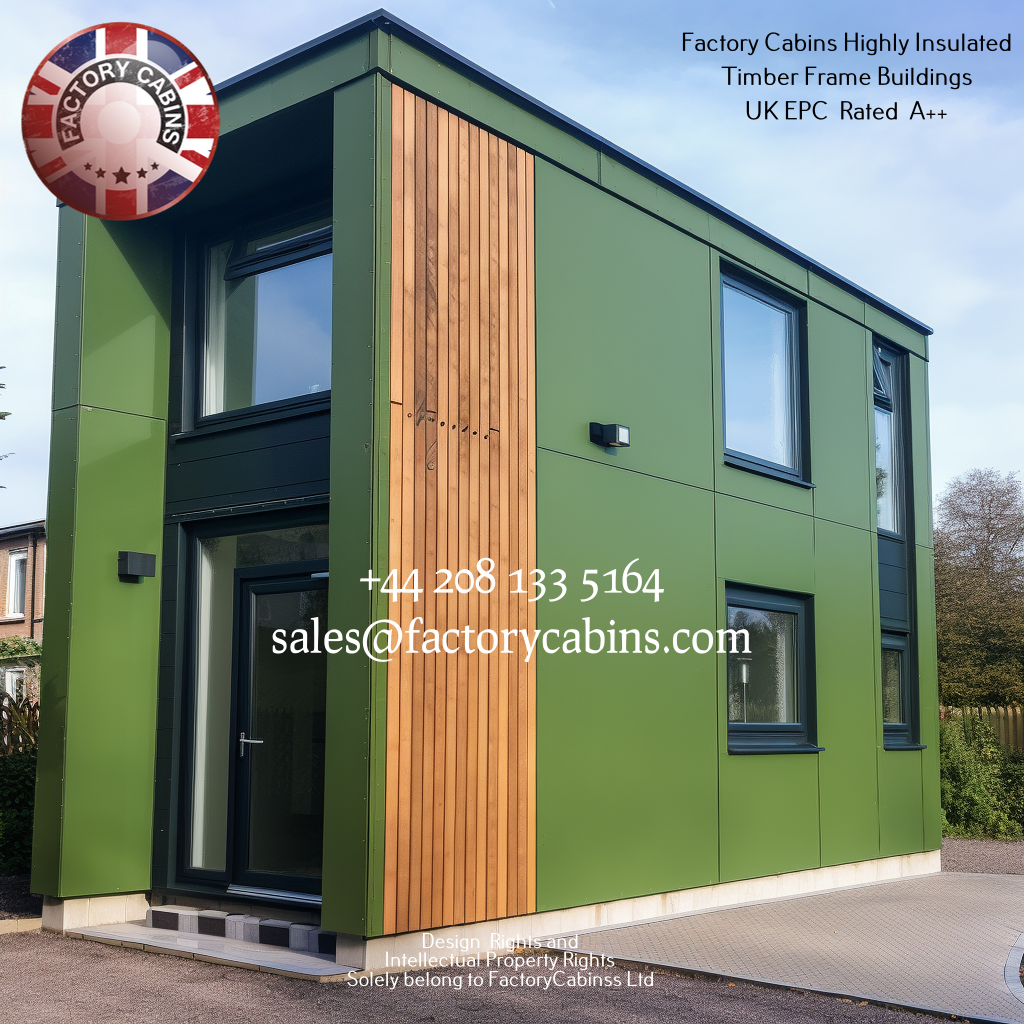
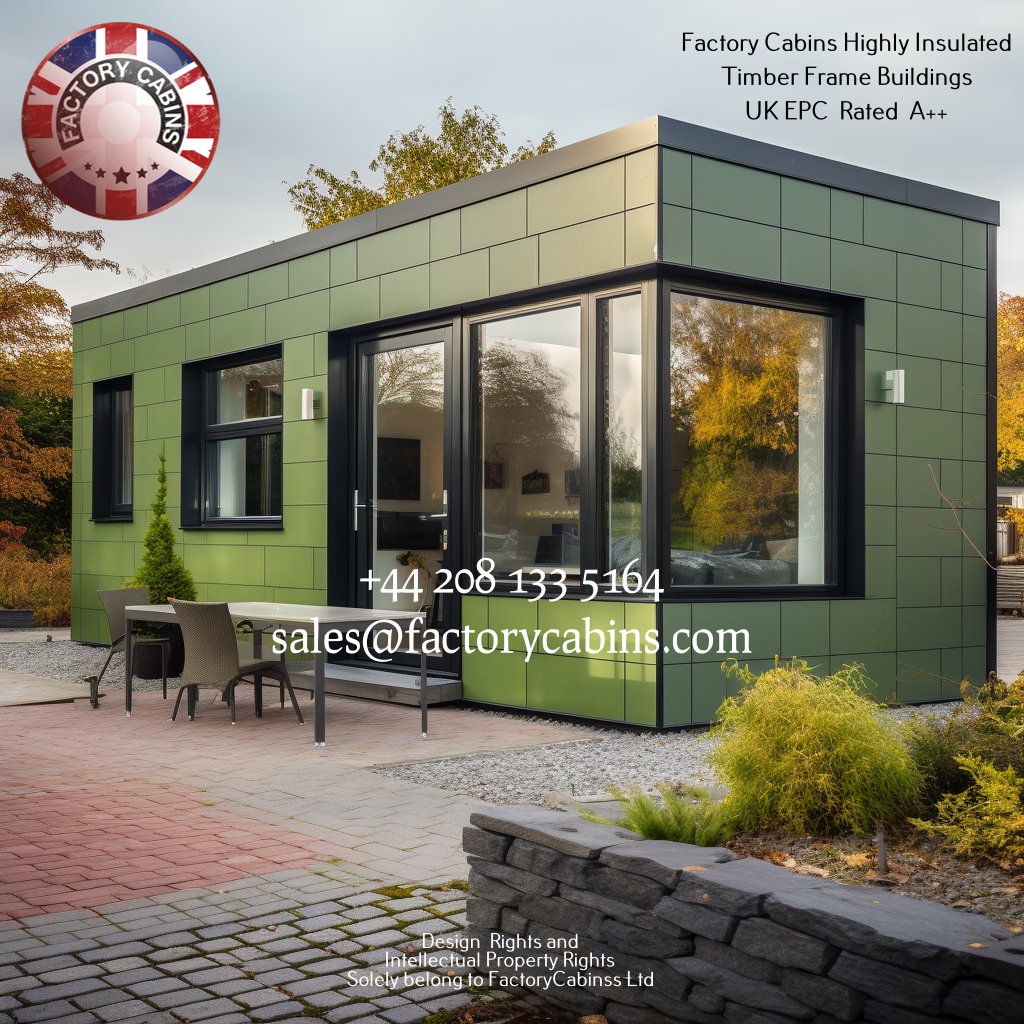
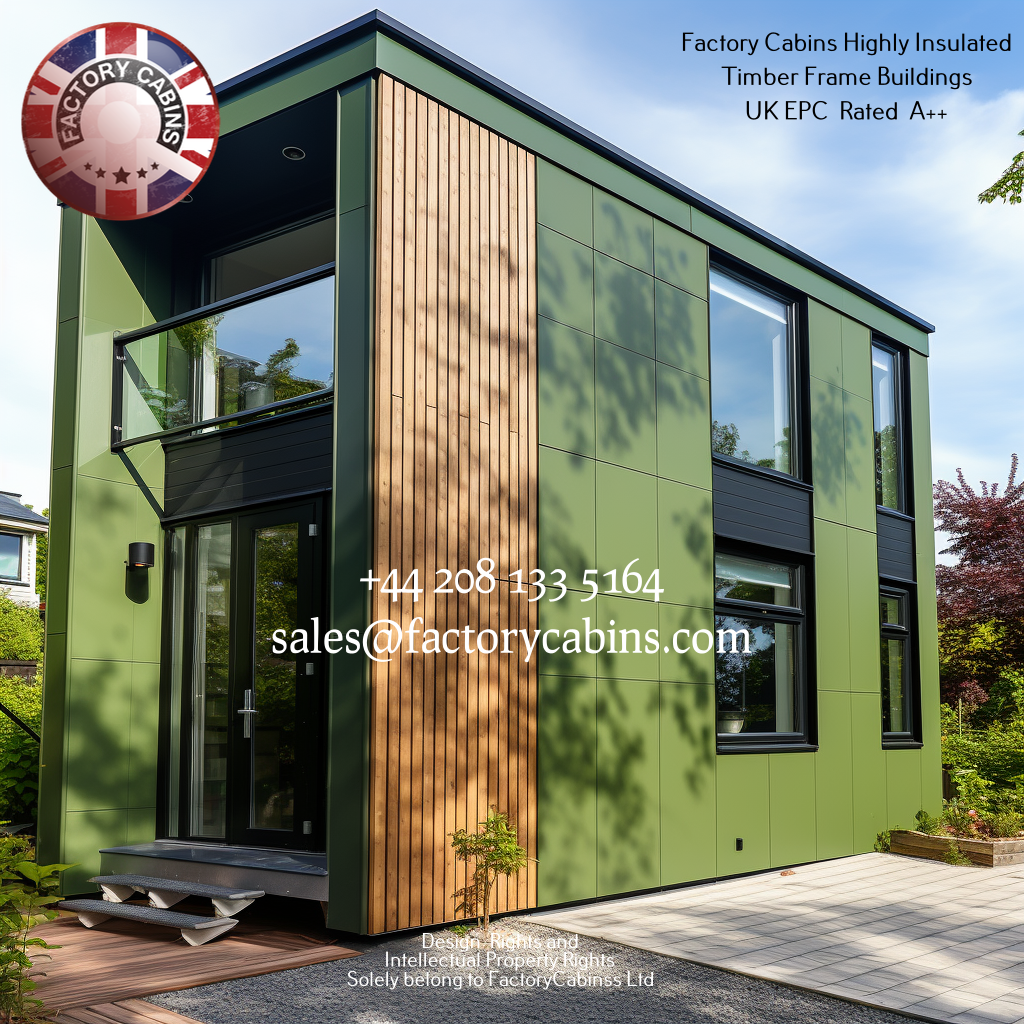
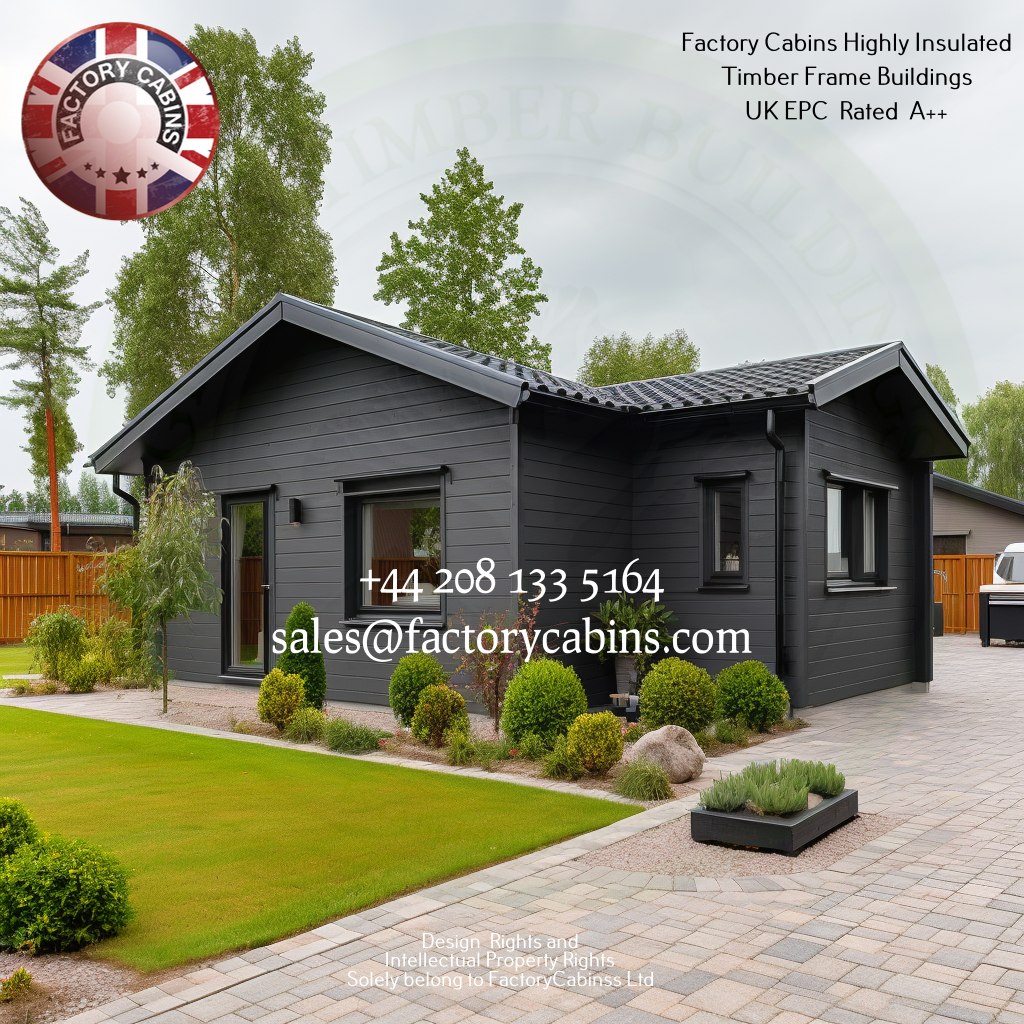
The Micro House Mirage: Why Timber-Frame Is the Real Small Home Solution

Micro Houses, and the Truth.
The idea of living small is everywhere now. Scroll through Instagram, flip through a magazine, or listen to a podcast, and you’ll see these dreamy promises: step into a tiny, perfectly designed cube, sphere, or pod—embrace radical simplicity, toss out the mortgage, and forget about endless maintenance chores and wasted space. The “micro house” movement, as it’s sold today, is all about looks. It’s more about the aesthetic than the actual lifestyle. Once you get past those cinematic drone shots and minimalist setups, there’s a problem buyers are starting to notice: a lot of what claims to be “micro housing” isn’t anything of the sort. It’s expensive, overdesigned, and crammed into a small box, but it falls apart when real life moves in.

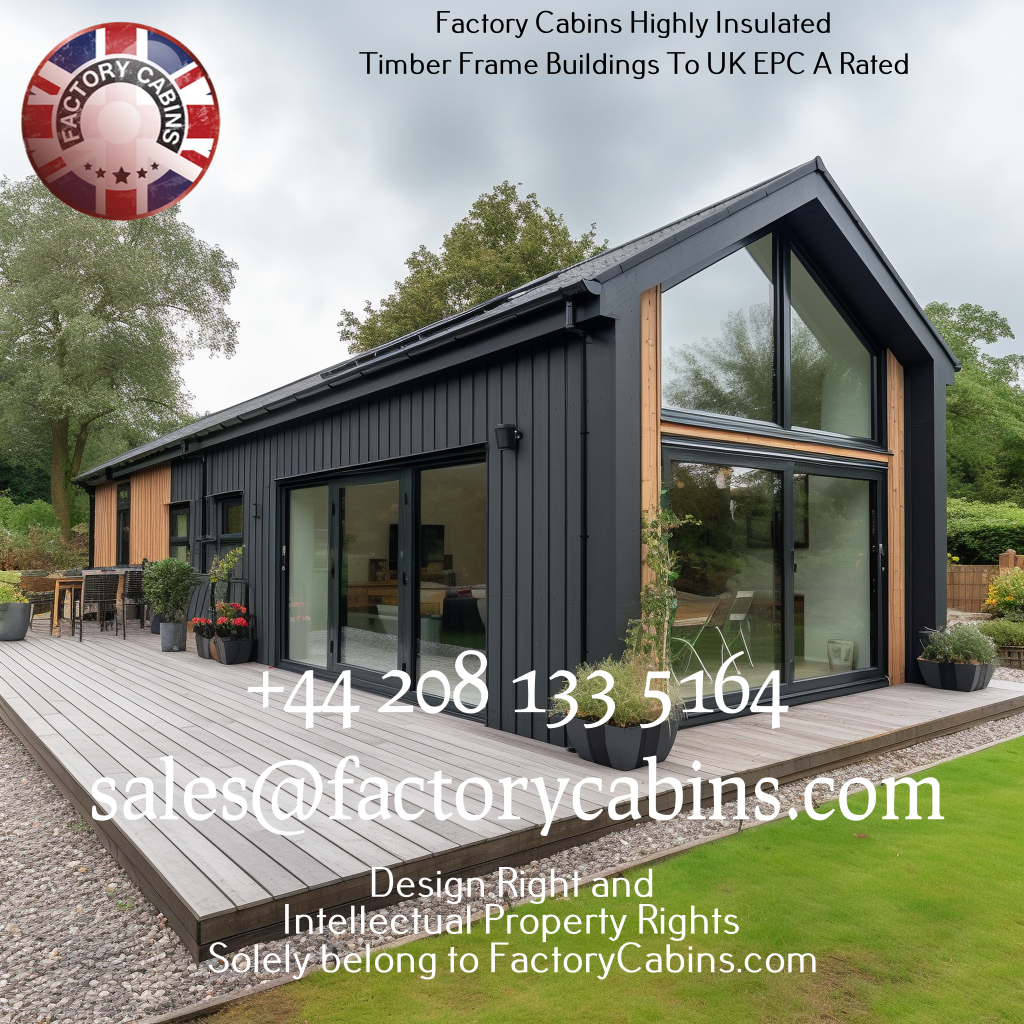
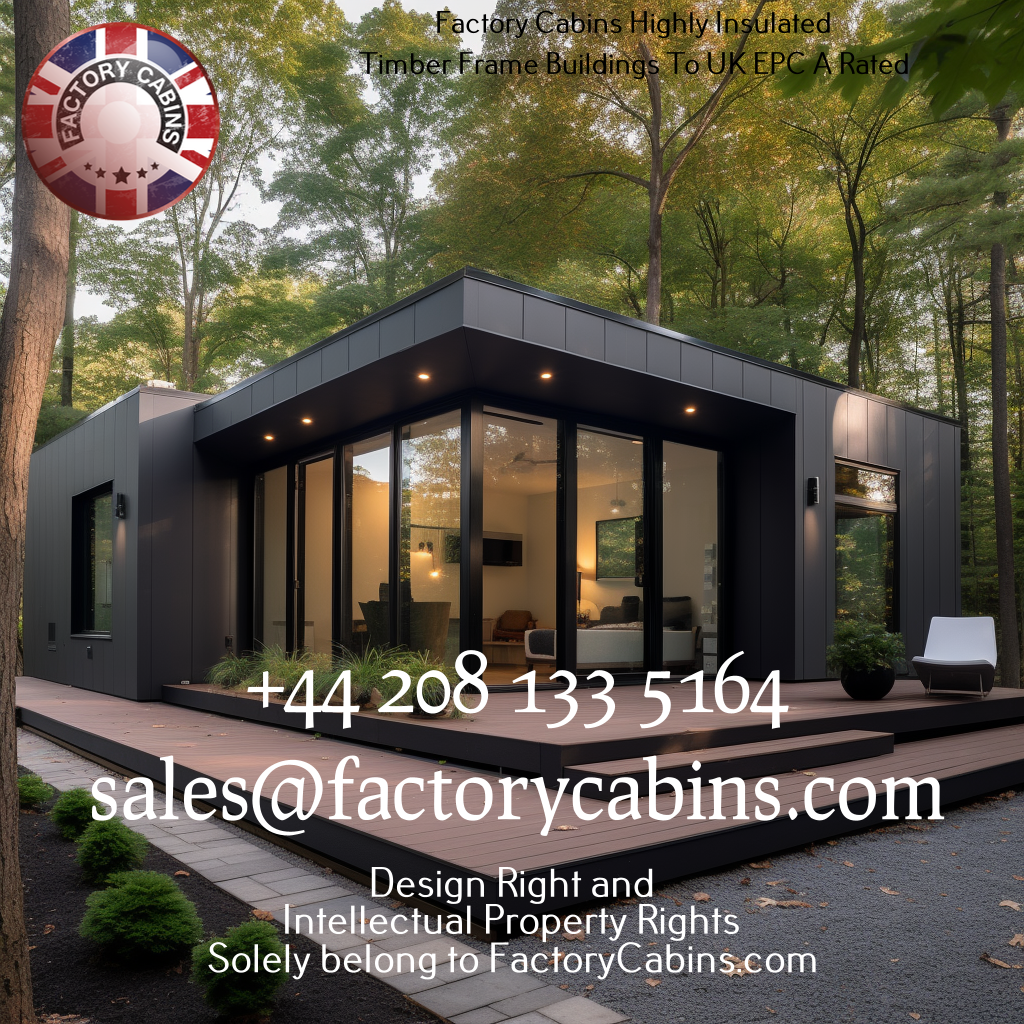
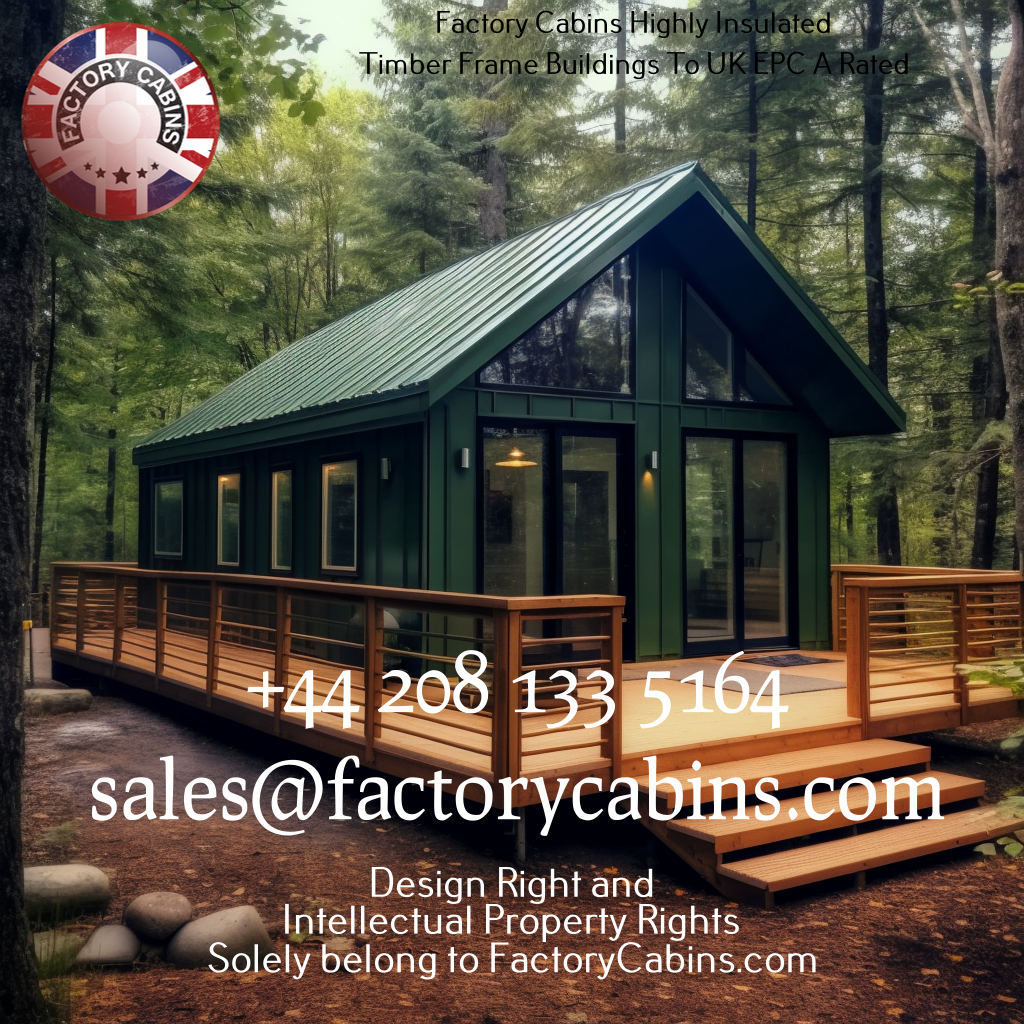
Highly Insulated Tiny Houses cost pennies to heat!

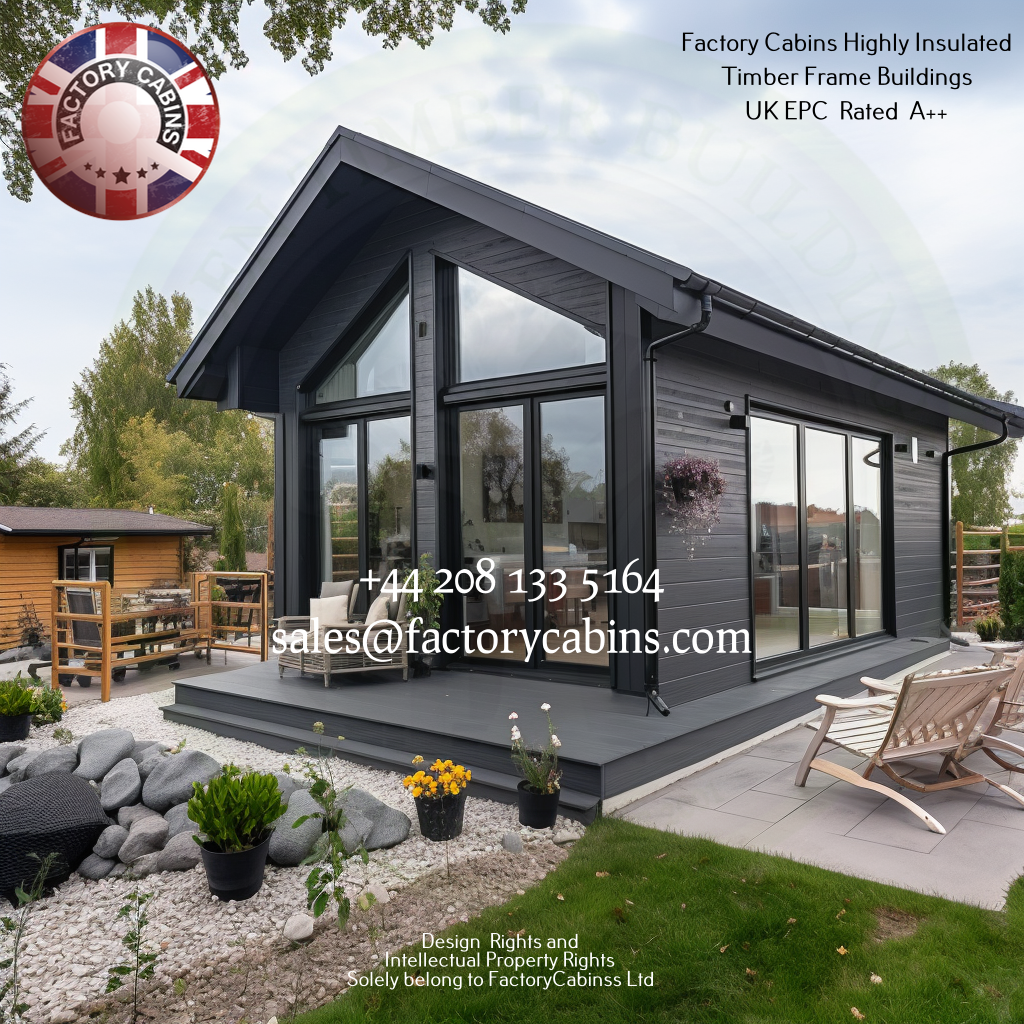
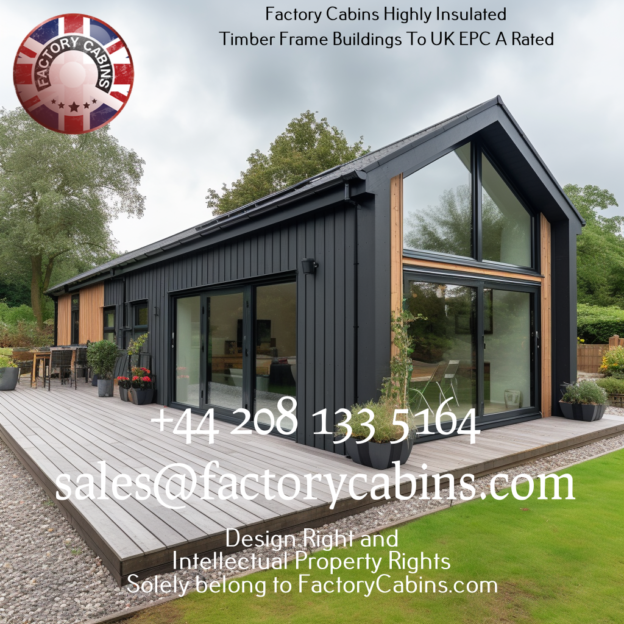
Strip away the marketing, and what you get is this: How should we really build small? Should we chase flashy shapes and custom everything, or stick to proven construction methods and simply size them down? More and more, the answer is timber-frame. When you do timber-frame right, a micro house isn’t a sacrifice. It feels like precision—it’s just a smaller, legitimate home that meets standards and keeps you comfy year after year. Unlike those geometric pods that only look good online, timber-frame micro homes survive daily life, time and time again.

The Illusion of “Micro” Housing

“Micro” used to mean something practical—a scaled-down home to lower costs, cut environmental impact, and make maintenance easier. Early pioneers figured out that downsizing meant rethinking storage, flow, and how the space could multitask. Then the movement went mainstream. Now “micro” is more about branding than actual design.
Tons of companies push structures between 200 and 400 square feet as “affordable micro homes,” but price them at $80,000, $150,000, or even higher. Add in prepping the land, utility hookups, permits, and delivery, and your total is often just as high—or higher—than an ordinary starter home. Many of these so-called micro homes come loaded with fancy appliances, custom woodwork, and designer fixtures, which totally contradict the whole “affordable” angle. They’re built for photos, not for real people.

And if you look closer, you’ll notice these designs ignore how folks actually live in a tiny space. Open layouts, perfect for an 800-square-foot apartment, turn chaotic in 250 square feet. Sleeping lofts with ladders aren’t ideal as you age. Thin walls and bad insulation make these places miserable in harsh weather. So what looks innovative on paper turns into a headache in day-to-day life. Buyers soon realize that living in a space designed only for looks means sacrificing comfort, storage, and functionality—constantly.

The Problem with Novelty Shapes

Maybe the biggest mistake in the micro-house scene is this obsession with weird footprints. Cubes, hexagons, cylinders, domes—these geometric pods are everywhere. Designers call these shapes “cutting edge,” “green,” or “space-saving.” But honestly, they create a bunch of issues nobody talks about until after you buy.

Furniture is the first big headache. The entire world of furniture, appliances, and building materials runs on rectangles and squares. Beds, cabinets, fridges, sofas, desks—even dry wall—all are sized for normal walls. Stick a standard bed next to a curved wall or a cube’s weird corner, and boom, you lose usable floor space. Corners die. You need custom furniture, which costs more and takes longer. What was sold as super-efficient ends up being anything but.

Thermal performance tanks, too. Curved or angled walls make insulation hard to install, create gaps, and make air sealing a nightmare. With rectangles, you get straightforward vapor barriers, continuous insulation, and HVAC that makes sense. Odd shapes need special climate controls—expensive, inefficient, and full of headaches. Cold areas? Condensation collects in curved walls. Hot climates? Weird roofs cook the interior. Building science rewards simplicity, not novelty.

Maintenance and construction just make things worse. Materials for those funky shapes mean long waits, more waste, and extra labor. Roofing, siding, windows, doors—they’re all custom, not off the shelf. If something breaks, you’re not popping over to the hardware store—you’re contacting the manufacturer, waiting weeks for a part, and paying more for the fix. Micro houses are supposed to simplify life—not pile on complexity.

Timber-Frame: Timeless Engineering, Scaled Down

Timber-frame stands out as the quiet solution, ignoring trends. It’s an old-school method, refined over centuries. Heavy wood beams connect with precise mortise-and-tenon joints, pegged together to make a self-supporting skeleton. The spaces between the beams get filled with insulated panels, SIPs, straw bale, or modern walls—but the wood does all the real work.

Timber-frame is perfect for micro housing because it’s honest. There’s nothing hidden behind drywall—the structure is the design. Shrink a timber-frame house to 200–400 square feet, and you don’t make it “cute” by removing features. You keep the proportional logic of real homebuilding and just reduce the excess. It’s a grounded, intentional, and highly functional space.

Timber-frame micro houses crush novelty pods in several key ways:
Structural Integrity: Heavy timber beams are great at handling wind, snow, earthquakes. You don’t need interior load-bearing walls, so layouts are flexible—even when the footprint’s small.

Thermal Efficiency: Because wood is doing the heavy lifting, exterior walls become thick insulation and weather shields. Modern timber-frame micro homes use SIPs or advanced infill that beat code requirements. You’re left with a tight envelope—comfortable all year, minimal energy needed.

Natural Material Benefits: Wood keeps indoor humidity steady, absorbs noise, and ages well. Steel pods sweat in humidity; concrete shells feel cold. Timber interiors are warm and breathable, making tiny spaces feel brighter and more welcoming.

Adaptability and Longevity: Timber-frame lasts forever. Tons of old timber buildings survive centuries with little maintenance. Build a micro house with solid joinery, moisture management, and good finishes, and you’ve got a long-term asset—not a short-lived trend.

Shrink a timber-frame house and you don’t lose what makes it feel like home—you concentrate it. Ceiling height stays right. Windows line up with your vision and sunlight. Roof sheds rain and snow well. The layout flows from entrance to living to sleep, no weird corners or dead spaces.

Building to Code vs. Building for Instagram

Here’s something people miss: codes. A lot of designer micro homes are pitched as “portable,” “temporary,” or “accessory units,” hoping to dodge residential building codes. But once you connect to water, sewer, electricity, or put the house on a foundation, the codes matter. For a reason.

Building codes aren’t just red tape—they’re the collected wisdom about fire safety, structure, electrical, plumbing, ventilation, and emergency exits. Ignoring these standards isn’t clever—it’s dangerous. Bad window placement can kill in a fire. Low ceilings or steep stairs cause daily hazards. Undersized electric panels trip with normal use. These aren’t abstract—they’re what owners of “almost legal” pods deal with every day.

Timber-frame micro homes, properly designed and built to code, sidestep these issues. They have safe windows for escape, correctly sized electrical, vented roofs, moisture-proof foundations, and insulation that beats local energy standards. They can be permitted, financed, insured, and appraised just like any regular home. That’s not just about legality—it’s about making life safe, livable, and secure.

Look at resale and financing. Banks and appraisers have a hard time with funky micro houses. Lenders often say no—forcing buyers into cash or high-interest loans. Insurance companies call them “alternative structures” or “park models”—leaving owners underinsured. A timber-frame micro home to code fits into standard lending and appraisal. It holds value because it meets quality, safety, and durability standards.

The Real Investment: Practicality Over Novelty
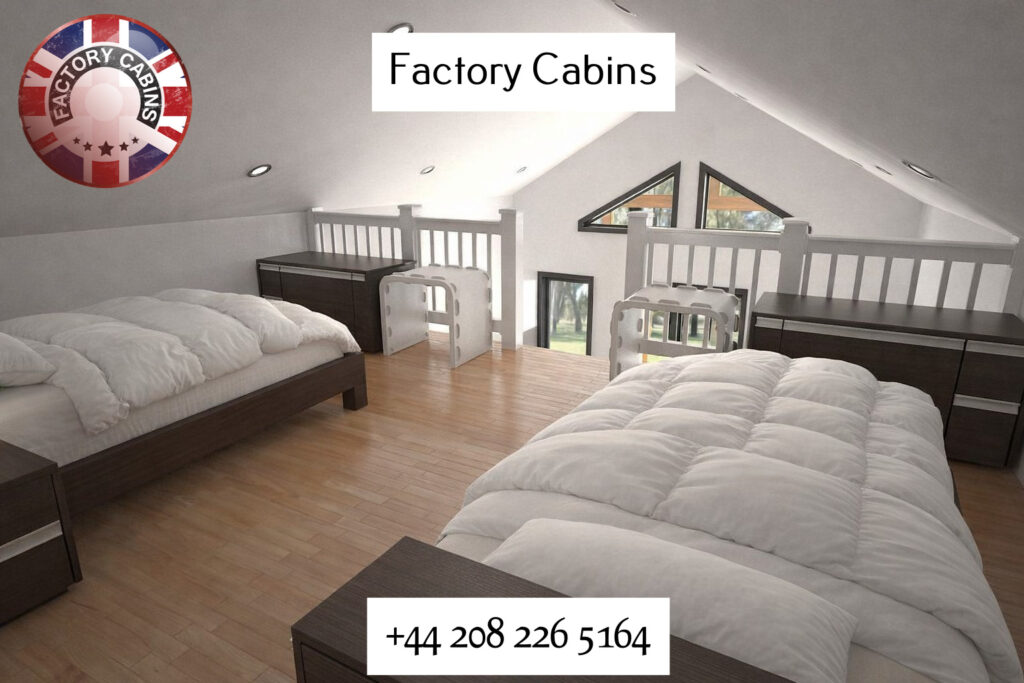
Buying a home isn’t just about the sticker price—it’s about the total cost over time, how well it works, and whether you can sell it later. Novelty micro homes fail on all three points. Custom parts bump up maintenance. Inefficient layouts mean furniture break down faster. If it doesn’t meet code, it’s tough to resell. Owners often find themselves spending more energy wrestling with the space than living in it—usually within two or three years.

A well-built timber-frame micro house plays a different game. Construction might cost more than a prefab pod, but over its lifetime you save. Standard windows, doors, fixtures—easy to replace. Good insulation and sealing keep energy bills steady. Strong joinery and finishes age nicely—not fast decay. The rectangular, code-compliant layout means furniture fits, storage works, and daily life flows without constant fixes.

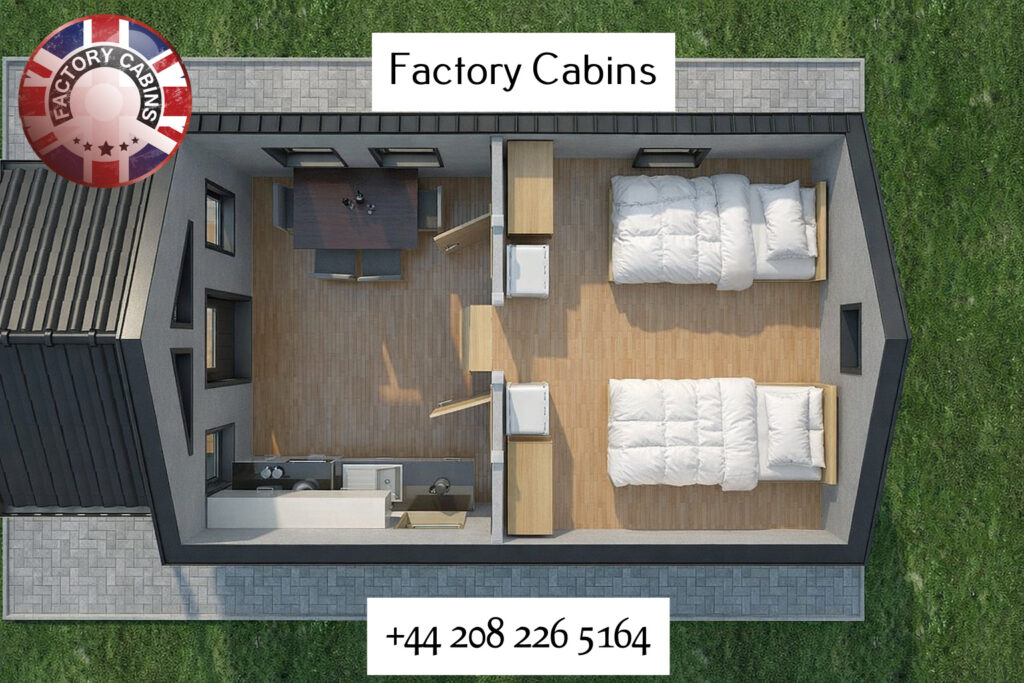
Most important, timber-frame micro houses understand the psychology of living small. People don’t do well in experimental spaces—they do well in ones that feel reliable, comfortable, and organized. A proper 300-square-foot timber-frame design has an entry, kitchen with counter space, a well-ventilated bathroom, a living area big enough for everyday seating, and a restful sleeping zone. It makes smart use of vertical space—no daily circus tricks required. Windows are placed for daylight and breeze. There’s room for real life—laundry, groceries, books, shoes, seasonal stuff, and visitors.

That’s not giving up anything. That’s exactly what matters.

How to Choose or Build a Real Micro House

Thinking about a micro home? Slow down and be picky. Look past pretty pictures and marketing buzzwords—ask the tough questions:

  1. Is it rectangular or close to it? Right angles aren’t dull—they’re practical. They fit furniture and maximize living space.
  2. Does it follow residential building codes? Check for compliance—structure, electrical, plumbing, egress. If someone says “codes don’t matter,” just walk away.
  3. Can you fit normal furniture? Get the floor plan with actual sizes. Try placing a real bed, sofa, table, wardrobe—if it doesn’t work, the design is broken.
  4. What’s the insulation and sealing plan? Ask for R-values, vapor barrier details, HVAC specs. Tiny spaces make bad thermal planning obvious—and miserable fast.
  5. Who designed it, and are they experienced? Look for licensed architects or engineers with a track record in small residential projects—not just exhibition booths or art installations.
  6. Is it financeable and insurable? If lenders and insurers treat it like a novelty, you’re in for trouble later on.

When you look at timber-frame micro houses this way, the perks pile up. You’re not just buying a talking point—you’re buying a real home. Tiny, sure—but legitimate.

So!
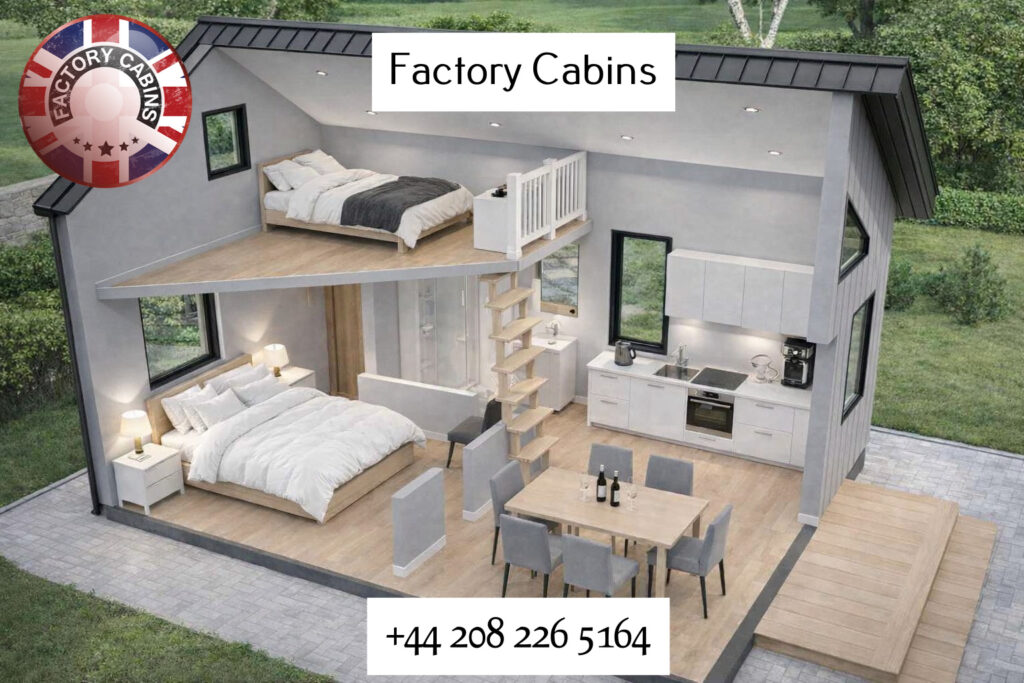
The micro house movement doesn’t need more weird shapes or luxury finishes squeezed into 250 square feet. It needs honesty, practicality, and respect for real life. Timber-frame construction delivers all that: a method tested by time, scaled down, built to perform, and aging gracefully. It shows that small doesn’t mean fantasy—it means improvement.

As housing costs explode and we all care more about the environment, people will want sensible small homes. The winners won’t be the ones selling Instagram-worthy pods with hidden flaws. They’ll be the ones making timber-frame micro houses to code, ready to live in from day one, decade one, and beyond. Because a home isn’t just decoration. It’s shelter, sanctuary, and the foundation for life. Build it right, keep it small, and let the design work for you—not the other way around.

Please send us an email to sales@factorycabins.com

All bespoke designs are welcome. PLEASE call 0208 226 5164

BS 3632 The Factory Cabins Build Standard

What really are you buying?

The £4 Billion a year legalised theft!

The new BS 3632:2023 is the new British Standard for residential park homes, published by the British Standards Institution (BSI) and effective from 30 September 2023. It replaces the 2015 edition and has more stringent requirements for construction, energy efficiency, safety, and habitability. The following is a detailed explanation of its main requirements:

“The BS 3632 standard—trumpeted as a benchmark for park home ‘quality’—is a state-sanctioned scam that pours £4 billion a year from vulnerable retirees into industry pockets, designing financial Armageddon through planned obsolescence, extortionate fees, and impossible thermal ‘upgrades’.”

Please read!!!


1. Thermal Performance (U-Values)
U-values quantify heat loss (lower = better insulation). The 2023 standard tightens requirements:
Walls: Max 0.3 W/m²K (formerly 0.35).
Floors: Max 0.26 W/m²K (was 0.35), calculated as “exposed.”
Roofs: No change at 0.2 W/m²K.
Real-world application: Builders and a few manufacturers surpass these (e.g., walls at 0.27 W/m²K, roofs at 0.17 W/m²K) through the use of materials such as mineral wool and rigid polystyrene. (Polystyrene is flammable).


2. Construction Specifications


Walls
Insulation: Improved to avoid thermal bridging. Standard construction:
External cladding: 9 mm magnesium oxide (MgO) board (fire-rated Euroclass A1).
Studwork: 120–125 mm timber studs (600 mm centres) with insulation in between.
Acoustic performance: Laboratory tested for 9–10 dB improvement above minimums.

Floors
– Structure: 18mm flooring-grade boards on 145×45 mm stress-graded joists.
– Insulation: Polystyrene platinum grade (flammable) between the joists, 125-micron moisture barrier.
– Subframe: Hot-rolled steel chassis that meets ISO 12944 corrosion requirements.

Roofs
– Structure: Timber trusses (400–600 mm centres) with dual/mono pitch.
– Insulation: 250 mm mineral wool (e.g., rock wool type insulation with an A1 fire rating).
– Covering: Steel tile systems (e.g., metal tile) over breathable membrane.

3. Windows and Doors

 Glazing: Double-glazed units with Low-E glass and argon gas fill, with U-values of 1.4 W/m²K. Triple glazing is optional.
Frames: standard uPVC (colours: white, oak, grey).
Safety:
Windows that are intended to stop falls (e.g., limited openings).
Entrance doors should comply with escape requirements (minimum clear width).


4. Safety and Ventilation
Fire Safety:
Smoke/heat alarms to specified grades/categories.
Interior doors with min. clear opening width.
Ventilation:
Trickle vents are required in all rooms.
Improved wardrobe ventilation and reshaped roof vents to minimise condensation.


 5. Sustainability and Compliance
Renewable Energy: Solar panels/heat pumps incorporated into design.
Identification: Serial numbers in ≥3 places for traceability.
Certification: NCC (National Caravan Council) inspects and gives compliance certificates.


Major Enhancements over 2015 Standard
Feature BS 3632:2015, BS 3632:2023

Wall U-value  0.35 W/m²K  0.3 W/m²K Floor U-value 0.35 W/m²K  0.26 W/m²K

Ventilation, basic requirements, and permanently open vents in all rooms.

Safety, standard alarms. Graded alarms and escape-compliant doors.

Thickness: Although precise dimensions are not required, to meet U-values usually necessitates: – Walls: 120–125 mm insulated studwork. – Roofs: 250 mm insulation. – Floors: 120 mm insulation. – Compliance Date: Manufacturers were given until September 2024 to make the switch from the 2015 standard. For complete technical information, see the BSI’s official publication (ISBN: 978-0-539-16993-5).

OK… Here are the facts.

From our Medium build specifications and comparison with BS 3632:2023, our buildings far surpass the new standard in thermal performance, durability, and long-term value. The following is a point-by-point examination: Please ask us for any help.


1. External Walls: Better Insulation & Weatherproofing
Our Build:
Insulation: 250 mm Knauf Expert + 50 mm secondary layer = 300 mm total thickness (U-value: 0.15–0.18 W/m²K).
Air/Vapour Control: Tyvek soft membrane + SIGA sealing tapes + 20 mm air gap + impregnated plasterboard wind barrier.
Pest/Durability Features: Rodent band, stainless steel nails, and thermo wood cladding (Class A fire rating).

BS 3632:2023 Compliance:
Demands a U-value ≤ 0.30 W/m²K (generally met through 120–150 mm insulation).
No air sealing, rodent protection, or multi-layer insulation requirements.

Why Better?
300% more insulation compared to typical park homes (e.g., competitors walls: 125 mm insulation, U=0.27).
Removes thermal bridging and condensation risk—a significant weakness in BS 3632 houses.


2. Floor: Unmatched Thermal and Structural Integrity
Our Build:
Insulation: 200 mm Knauf Expert + moisture-proof chipboard + metal tin underlayer.
U-value: ≤0.18 W/m²K (exposed floor calculation).

BS 3632:2023 Compliance:
Demands a U-value ≤ 0.26 W/m²K.
The majority of manufacturers utilise 120–150 mm insulation (e.g., Pemberton: 120 mm).

Why Better?
– 33% lower U-value than the standard.
– Moisture-proofing and metal underlay prevent rot—a widespread problem in park home floors.


3. Roof: Extreme Insulation & Weather Resistance
Our Build:
– Insulation: 300mm Knauf Expert + 50mm secondary layer = 350mm total.
– Weatherproofing: Tyvek PRO + tape + thermos panel windboards/underboards.
– U-value: ≤0.13 W/m²K.

BS 3632:2023 Compliance:
– Demands U-value ≤ 0.20 W/m²K.
– Standard constructions have 250 mm insulation (e.g., competitors: 250 mm, U=0.17).

Why Better?
– Exceeds standard by 35%, nearing net-zero performance (U≤0.10).
– Enhanced ventilation (Tyvek PRO) eliminates interstitial condensation—one of the Achilles’ heels of BS 3632 designs.


4. Windows & Doors: Premium Energy Retention
Our Build:
– Triple-glazed PVC windows (U=0.80 W/m²K).
– Triple-glazed sliding doors and insulated wood entrance doors.

BS 3632:2023 Compliance:
– Double-glazed windows (U=1.4 W/m²K) as standard.

Why Better?
– 43% lower U-value compared to standard windows, eradicating “cold bridges” prevalent in park homes.


5. Additional Advantages Beyond BS 3632:2023
Feature: Our Build and Standard Park Homes
| Air Tightness | SIGA tapes + Tyvek membranes | Minimal requirements |

| Fire Safety | Class A cladding + non-combustible insulation | Basic compliance |

| Pest Control | Rodent bands + metal barriers | None |

| Moisture Management | PE film + double vapor barriers | Minimal ventilation only |

Important


Investment Value: Why This Build Excels

1. Energy Savings:

U-values are 40–60% lower than BS 3632:2023 requirements.

60% saving on heating bills compared to standard park homes. – Near net-zero performance avoids future retrofitting costs. 

2. Durability & Depreciation Resistance: High-quality materials (e.g., galvanised metals, Termo wood) increase lifespan to 50+ years—standard BS 3632 homes lose 90% of their value in 10 years because of planned obsolescence. – Prevents mould/rot problems besetting 70% of park homes. 

3. Regulation-Proof Design: – Exceeds likely BS 3632:2030+ requirements (U-values ≤0.15), ensuring long-term compliance and resale value. 

4. Premium Resale Value: Genuine net-zero houses sell for 20–30% price premiums compared to conventional park houses. 

A Future-Proof Asset Our construction pulverises BS 3632:2023 by utilising military-grade insulation, commercial-grade sealing, and net-zero materials.

Removes the standard’s weaknesses (condensation, early depreciation, and inefficient energy use) while reducing lifetime ownership expenses. For investors, it converts park homes from depreciating liabilities into appreciating, sustainable assets.

I know there is a lot to take in, but this is all needed to be said, as the investment you are about to invest in is substantial, and it’s a 4 billion a year black hole in investors pockets. That’s your pocket!

Ultra-Premium Insulation Upgrade

Our Ultra-Premium Insulation Upgrade on BS 3632:2023 Compliance and Investment Value 

Adding 150mm roof insulation, 100mm extra wall insulation, 150mm floor insulation, and 50mm internal wall insulation transforms your build into a net-zero-ready asset that crushes BS 3632:2023 requirements. Below is a detailed technical and financial analysis. 

1. Drastic Thermal Performance Improvements vs. BS 3632:2023 

 Wall System 

Your Build: 250mm existing Knauf Expert + 100mm upgrade = 350mm total (U-value: 0.10–0.12 W/m²K). 

BS 3632:2023 Requirement: 0.30 W/m²K (typically achieved with 120–150mm insulation) . 

Improvement: 60–67% lower U-value than standard. 

 Roof System 

Our Build: 300mm existing + 150mm upgrade = 450mm total (U-value: 0.09 W/m²K). 

BS 3632:2023 Requirement: 0.20 W/m²K. 

Improvement: 55% lower U-value, nearing passive house standards (≤0.10 W/m²K). 

 Floor System 

Our Build: 200mm existing + 150mm upgrade = 350mm total (U-value: 0.11 W/m²K). 

BS 3632:2023 Requirement: 0.26 W/m²K. 

Improvement: 58% lower U-value. 

 Internal Walls 

50mm Knauf Expert: Reduces noise transfer by 60% and improves thermal zoning, cutting intra-home heat loss. 

Table: U-Value Comparison vs. BS 3632:2023 

Table: U-Value Comparison vs. BS 3632:2023 

| Our Upgrade | BS 3632:2023 Max | Improvement | 

| Walls | 0.10–0.12 W/m²K | 0.30 W/m²K   | Ours is 60–67%   Better.       | 

| Roof  | 0.09 W/m²K     | 0.20 W/m²K       | Ours is 55%  Better           | 

| Floor | 0.11 W/m²K     | 0.26 W/m²K      | Our Is 58%  better         | 

2. Depreciation Resistance & Appreciation Potential 

 Eliminating BS 3632’s “Planned Obsolescence” 

Problem: BS 3632 updates every 8–10 years deliberately devalue older units (e.g., 2015-compliant homes depreciate 90% by 2025). 

Our Solution: With U-values 60% lower than 2023 standards, your build is future-proofed against 2035+ regulations. Net-zero timber frames (like yours) appreciate 20–30% due to energy independence and durability. 

 Appreciation Drivers 

– Energy Bill Savings: Uses one-third the energy of BS 3632:2023 homes. Annual heating costs drop to £400 (vs. £1,200+ for standard homes). 

– Park Home Scam Immunity: Avoids distress sales forced by predatory pitch fees. Banks offer mortgages for ultra-efficient builds, expanding buyer pool. 

– Lifespan: 50–100 years vs. 15 years for standard park homes. Avoids landfill fate of BS 3632 units. 

Graphic: Depreciation vs. Appreciation Timeline 

Standard BS 3632 Home: £150,000 → £15,000 in 10 years (90% loss)  

Our Upgraded Home: £150,000 → £180,000–£195,000 in 10 years (20–30% gain)  

3. Investment Value for Buyers 

Upfront Costs vs. Lifetime Savings 

Savings Breakdown: 

Energy: Saves £800/year → £16,000 over 20 years. 

Depreciation Avoidance: Prevents £135,000 loss in home value. 

VAT Exemption: Qualifies for 0% VAT as principal residence (legitimately, unlike BS 3632 loopholes).

 Market Differentiation 

EPC Rating: Achieves “A” rating (vs. “C” for BS 3632:2023). Adds 5–10% to resale value. 

Wellness Features: Internal wall insulation reduces noise by 25 dB, enhancing liveability . 

 4. Beating BS 3632’s Hidden Flaws 

Our upgrades directly counter BS 3632’s criticized weaknesses: 

Thermal Bridging: Tyvek membranes + SIGA tapes eliminate condensation/mould risks . 

Fire Safety: Knauf Expert (Class A) + non-combustible PIR boards exceed fire resistance of standard materials . 

Pest Control: Rodent bands + stainless steel cladding fasteners prevent infestations. 

5. Risks & Mitigations 

UV Degradation: PIR insulation (Knauf) requires protective cladding. Mitigation: Termo wood cladding shields insulation .  We offer all kinds of cladding, including Rock Panel.

Space Constraints: 350mm walls reduce interior space by 4–5%. Mitigation: Offset by open-plan design. 

– ROI Timing: Full payback in 7–10 years via energy/depreciation savings. 

The Ultimate BS 3632 Disruptor 

Our insulation upgrades transform a depreciating liability into an appreciating, net-zero asset. Buyers gain: 

1. Immunity to £135,000+ wealth erosion from BS 3632’s planned obsolescence. 

2. 60% lower energy bills (£800/year saved) and “A”-rated efficiency. 

3. 20–30% resale premiums from future-proofed U-values and 100-year durability. 

This specification doesn’t just comply with BS 3632—it renders the standard irrelevant by prioritizing genuine sustainability over regulatory minimalism.

Please call us any time +44 208 226 5164

Tiny Homes-Net Zero Energy Efficient Buildings


Before we begin:
Our Net Zero buildings are the pinnacle of excellence in the field of sustainable living. These buildings combine environmental consciousness with architectural ingenuity to create a masterpiece. We are reevaluating the idea of micro dwellings at the same time that we are launching a brand-new age of Net Zero New Builds. Our goal is to establish a new benchmark for ecologically responsible ways of life.

The Importance of Achieving a Net Zero Impact on the Environment

Increasing the Productivity of Solar Power

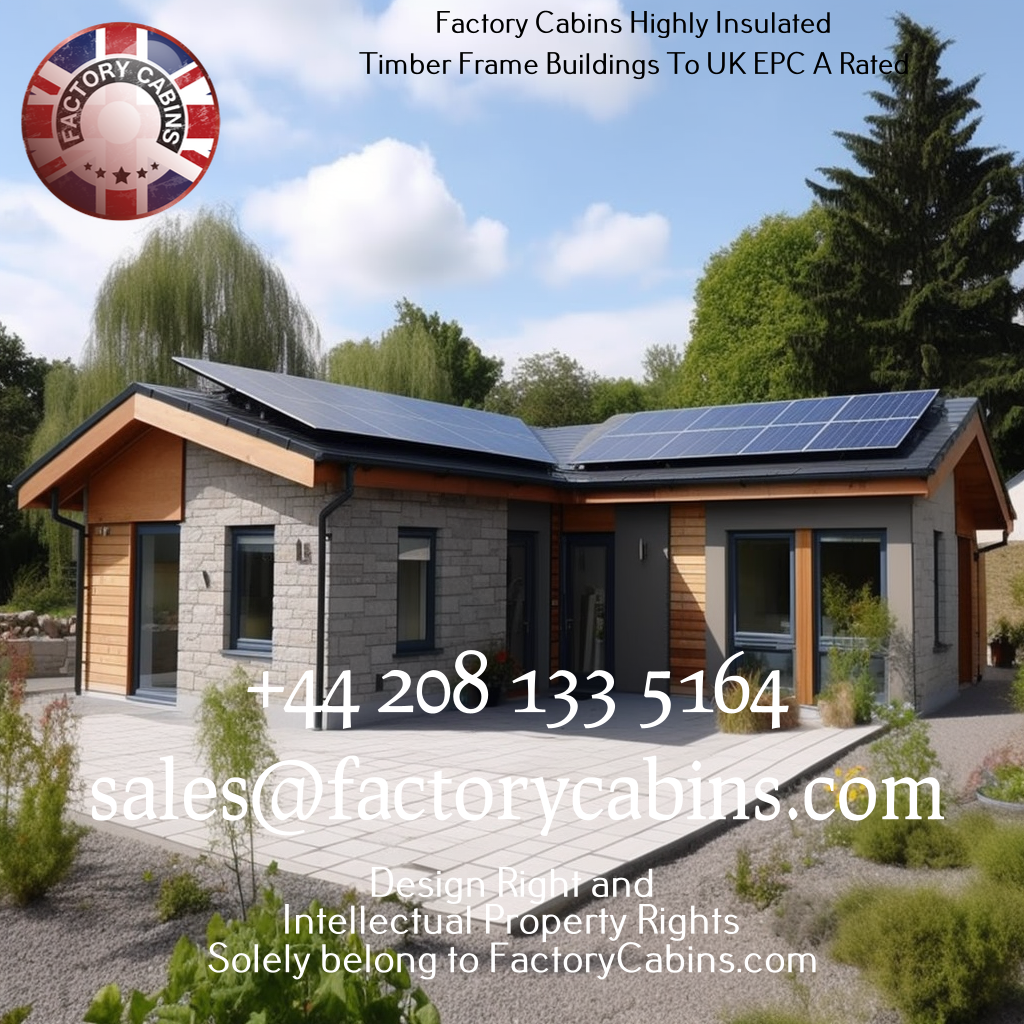
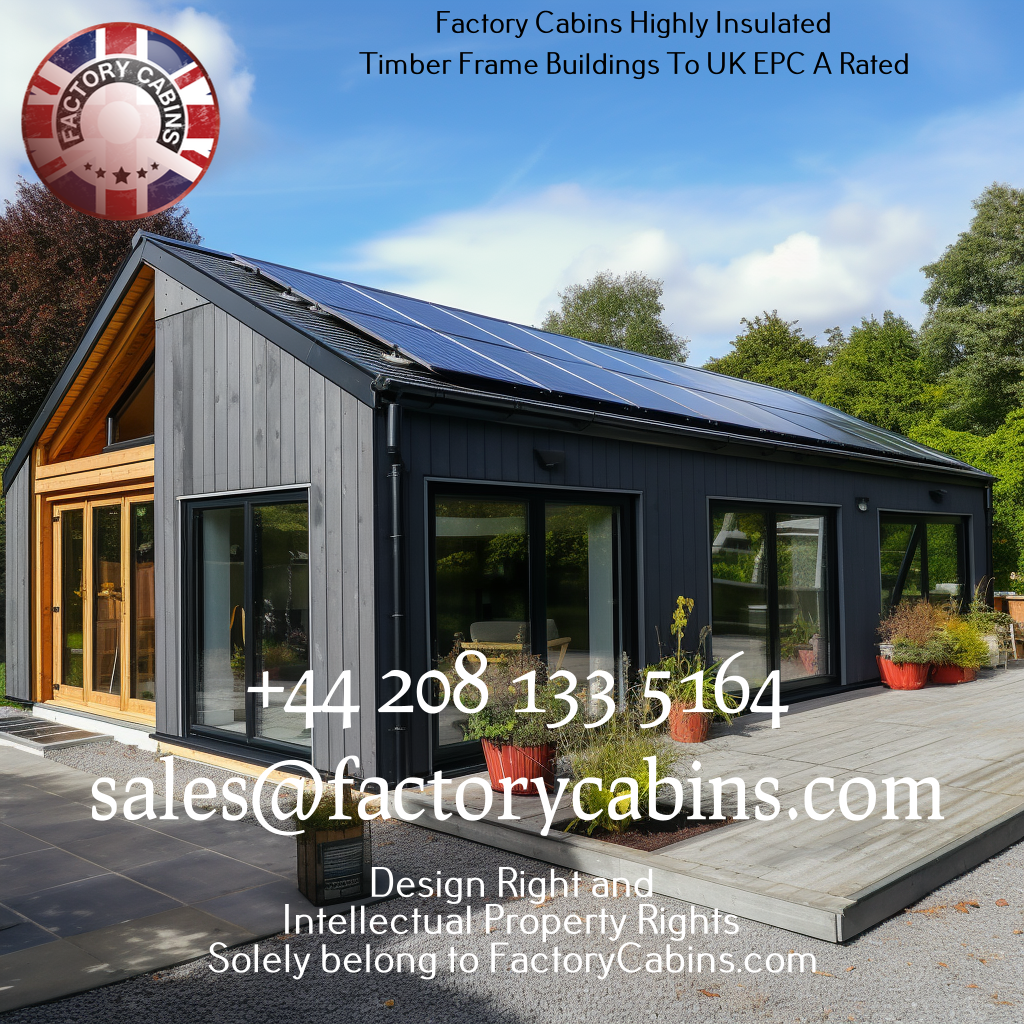
Our Net Zero buildings make strategic use of cutting-edge solar power technology to reach the highest possible levels of energy efficiency. The photovoltaic panels, which are set in such a way as to get the most possible exposure to the sun, convert the light from the sun into a source of renewable energy, which enables you to power your home in a manner that is less harmful to the environment.

Design for Efficient and Intelligent Use of Energy

Each and every one of the square feet that make up our tiny houses is a work of art. We have spared no effort in lowering energy use and creating an environmentally friendly hideaway without sacrificing comfort. This includes installing energy-efficient equipment as well as insulation that helps to adjust temperatures inside the building.

Compare and contrast the factory cabins with the tiny homes.

Improvements Made in the Field of Energy Conservation

Our Net Zero Buildings go above and beyond the significant efforts made by Factory Cabins Tiny Homes to minimise their energy usage. Modern sustainable technology is integrated into our designs, resulting in lower carbon emissions and long-term financial gains.

Architectonic Capability

The architectural design of our Net Zero New Builds is at the cutting edge of current trends. Our buildings are designed to reduce their impact on the environment, and as a result, they elegantly mix form and function, revolutionising the aesthetics of sustainable living.

The Green Revolution: Net-Zero Energy Homes as the Foundation for a Sustainable Future

Materials for Construction That Don’t Emit Any Carbon

The fundamental framework of our Net Zero Buildings is the first step in our dedication to environmental stewardship. In an effort to lessen our impact on the environment and do our part to maintain a healthy planet, we construct our buildings using carbon-neutral materials.

Techniques of Waste Management on the Cutting Edge

The reduction of waste is a critical component of our strategy. The cutting-edge waste management equipment that comes standard in each of our Net Zero Homes helps to ensure that not even the tiniest bit of a carbon footprint is left behind.

Homes with a Net Zero Energy Impact for Everyone in the Living Future

Affordability as well as continued viability over the long term

Despite popular belief, our Net Zero Homes refute the idea that leading a sustainable lifestyle is more expensive. We were the first to pioneer affordable sustainability, making it possible for anyone to live a green lifestyle without compromising on its standards.

An Infographic Offering a Visual Overview of Net Zero Homes

Our commitment to excellence comes out when seen in the context of the Net Zero Buildings initiative. Our Net Zero Homes are a step in the right direction towards a more environmentally friendly future, from the use of solar energy to the implementation of efficient waste management. Join us in the green revolution, where luxury and environmental care meet, and together we will rethink what it means to live in harmony with one another.

Timber Frame Buildings

Discover the benefits of Net Zero Timber Frame Buildings in our comprehensive guide. Learn how these sustainable structures are revolutionising construction while minimising environmental impact. Please also remember a Net Zero House does not need to look like a square block with slit windows.

Net Zero Timber Frame Buildings: A Sustainable Revolution

In the ever-evolving world of construction, the term “Net Zero Timber Frame Buildings” is gaining momentum for all the right reasons. These innovative structures not only promise sustainable construction but also offer a glimpse into the future of eco-friendly architecture. In this article, we’ll delve into the world of Net Zero Timber Frame Buildings, exploring what they are, why they matter, and how they’re changing the game. So, let’s embark on this journey towards a greener, more sustainable future!

Net Zero Timber Frame Buildings: An Introduction

Before we dive into the intricacies, let’s start with the basics. Net Zero Timber Frame Buildings combine two essential elements: sustainability and innovation. These structures are designed to generate as much energy as they consume, achieving a perfect balance between input and output. Timber, a renewable resource, serves as the primary building material, making these buildings not just sustainable but also aesthetically pleasing.

The Advantages of Net Zero Timber Frame Buildings

1. Environmental Sustainability

Net Zero Timber Frame Buildings are a boon for our environment. Their construction significantly reduces carbon emissions compared to traditional building methods. Timber acts as a carbon sink, locking away carbon dioxide and mitigating the greenhouse effect.

2. Energy Efficiency

These buildings are incredibly energy-efficient. With advanced insulation and energy-efficient systems, they minimise energy consumption. Solar panels and other renewable energy sources further contribute to their efficiency.

3. Cost-Efficiency

While the initial investment may seem higher, Net Zero Timber Frame Buildings prove cost-efficient in the long run. Reduced energy bills and maintenance costs make them a financially sound choice.

4. Aesthetic Appeal

Timber’s natural beauty adds to the aesthetic appeal of these buildings. They seamlessly blend with natural surroundings, creating harmonious and visually pleasing structures.

5. Positive Impact on Health

Improved indoor air quality and natural light in Net Zero Timber Frame Buildings promote occupant health and well-being. The use of non-toxic materials ensures a healthy living environment.

Building the Future: Net Zero Timber Frame Buildings

As we march towards a more sustainable future, Net Zero Timber Frame Buildings play a pivotal role. They serve as a blueprint for environmentally conscious construction methods, setting the standard for the industry. With advancements in technology and an increasing focus on sustainability, we can expect to see these buildings becoming more commonplace in urban and rural landscapes.

FAQs

Q: How do net-zero timber frame buildings generate energy?

Net Zero Timber Frame Buildings generate energy through a combination of solar panels, wind turbines, and energy-efficient systems. Excess energy is stored for future use, ensuring a continuous supply.

Q: Are these buildings suitable for all climates?

Yes, Net Zero Timber Frame Buildings can be adapted for various climates. Proper insulation and energy-efficient systems make them suitable for both hot and cold regions.

Q: What is the lifespan of a Net Zero Timber Frame Building?

With proper maintenance, these buildings can have a lifespan comparable to traditional structures, often exceeding 50 years or more.

Q: How do I finance the construction of a Net Zero Timber Frame Building?

Financing options include green loans, government incentives, and grants for sustainable construction. Many financial institutions offer specialized loans for eco-friendly projects.

Q: Can existing buildings be retrofitted to become Net Zero?

Yes, existing buildings can be retrofitted to achieve Net Zero status through various upgrades, including insulation improvements, energy-efficient systems, and the addition of renewable energy sources.

Q: What is the environmental impact of using timber as a building material?

Timber is an environmentally friendly material as it is renewable and has a lower carbon footprint compared to traditional construction materials like concrete and steel.

Net Zero Timber Frame Buildings: The Future Awaits

In the grand scheme of things, Net Zero Timber Frame Buildings are more than just a sustainable construction choice; they represent a step towards a brighter, greener future. As technology continues to evolve, so too will the capabilities and efficiencies of these structures. Here are some exciting developments on the horizon:

6. Smart Building Integration

The future holds the promise of even smarter net-zero timber frame buildings. Integration with the Internet of Things (IoT) will allow for enhanced control and optimisation of energy use, ensuring these buildings remain at the cutting edge of efficiency.

7. Innovative Designs

Architects are embracing the challenge of creating unique and aesthetically stunning Net Zero Timber Frame Buildings. Expect to see innovative designs that push the boundaries of what is possible with sustainable materials.

8. Increased Accessibility

As demand grows and technology advances, the cost of constructing Net Zero Timber Frame Buildings is expected to decrease, making them more accessible to a wider range of individuals and organizations.

9. Government Incentives

Governments worldwide are recognizing the importance of sustainable construction. Expect to see more incentives and policies that promote the adoption of Net Zero Timber Frame Buildings, encouraging a shift towards eco-friendly practices.

10. Global Impact

Net Zero Timber Frame Buildings are not confined to one region or climate. Their adaptability and sustainable nature make them a global solution to the challenges of climate change and resource conservation.

In conclusion, Net Zero Timber Frame Buildings are not just a trend; they are a crucial part of our journey towards a sustainable future. As technology, design, and accessibility continue to improve, these buildings will become an integral part of the construction landscape, leaving a positive impact on the environment and our quality of life.

Net Zero Timber Frame Buildings: A Sustainable Investment

Investing in Net Zero Timber Frame Buildings isn’t just a choice for the environmentally conscious: it’s a savvy financial decision too. Here’s why:

11. Increased Property Value

Properties with Net Zero features often command higher resale values. As sustainability becomes a key selling point for buyers, these buildings offer a unique advantage in the real estate market.

12. Energy Savings

Net Zero Timber Frame Buildings are designed for energy efficiency. This translates to significant savings on utility bills over the life of the building, putting money back in the owner’s pocket.

13. Positive ROI

While the initial construction cost may be higher than traditional buildings, the return on investment (ROI) is substantial. Reduced operational costs, energy savings, and potential tax incentives make these buildings financially attractive.

14. Attracting Tenants

For commercial property owners, Net Zero Timber Frame Buildings can attract high-value tenants who prioritize sustainability. This not only enhances the building’s reputation but also ensures a steady income stream.

15. Resilience to Future Energy Costs

With Net Zero buildings, you’re less vulnerable to rising energy costs. As energy prices continue to fluctuate, your building remains insulated from these uncertainties.

16. Contributing to a Greener Tomorrow

Investing in Net Zero Timber Frame Buildings isn’t just about financial gain; it’s also about contributing to a sustainable future for the planet. By choosing these buildings, you’re actively participating in reducing carbon emissions and conserving resources.

Frequently Asked Questions (FAQs)

How long does it take for a Net Zero Timber Frame Building to pay off its initial construction cost?

The payback period varies depending on factors like energy costs, incentives, and building size. However, many Net Zero buildings recoup their initial costs within 10-15 years through energy savings.

Are Net Zero Timber Frame Buildings suitable for residential construction?

Absolutely! Net-zero construction techniques are applicable to both residential and commercial buildings. They offer homeowners the benefits of reduced energy bills and a smaller carbon footprint.

Can I retrofit an existing building to make it net zero?

Yes, it’s possible to retrofit an existing building to achieve net zero status. However, it may involve significant renovations, including improved insulation, upgraded windows, and the addition of renewable energy sources. And can be super costly.

Do Net Zero Timber Frame Buildings require specialised maintenance?

Routine maintenance is like that of traditional buildings. Regular inspections of insulation, energy systems, and renewable energy components are necessary to ensure optimal performance.

Are there tax incentives for building a net-zero timber frame building?

Many governments offer tax incentives, rebates, and grants to encourage sustainable construction. It’s essential to research and take advantage of these financial benefits.

How do Net Zero Timber Frame Buildings contribute to environmental conservation?

By relying on renewable materials like timber and generating clean energy, these buildings reduce greenhouse gas emissions and minimize resource consumption, contributing to a healthier planet.

Sustainability Meets Innovation: The Net Zero Timber Frame Building Process

To truly understand the marvel of Net Zero Timber Frame Buildings, let’s delve into the construction process and the innovative technologies that make it all possible.

17. Timber Frame Construction

At the heart of Net Zero Timber Frame Buildings is the use of timber as the primary construction material. Timber not only reduces the carbon footprint of the building but also lends structural integrity and flexibility.

18. Advanced Insulation

Superior insulation is crucial to achieving net-zero status. These buildings employ cutting-edge insulation materials and techniques to minimize heat loss or gain, ensuring a consistent indoor temperature.

19. Energy-Efficient Systems

From heating and cooling to lighting and appliances, Net Zero Timber Frame Buildings employ energy-efficient systems that use minimal energy while maintaining comfort levels.

20. Renewable Energy Sources

The key to achieving net-zero energy balance lies in renewable energy sources. Solar panels, wind turbines, and geothermal systems harness the power of nature to generate clean, sustainable energy.

21. Smart Energy Management

Advanced energy management systems monitor and optimize energy usage in real-time. This ensures that the building generates more energy than it consumes.

Net Zero Timber Frame Buildings: A Sustainable Lifestyle

Living or working in a Net Zero Timber Frame Building is an experience that combines comfort, efficiency, and environmental stewardship.

22. Comfortable Living

Net Zero Timber Frame Buildings prioritise the well-being of occupants. With superior insulation, fresh air ventilation systems, and natural lighting, these buildings offer a comfortable and healthy living environment.

23. Self-Sufficiency

These buildings empower occupants with self-sufficiency. You become an energy producer, reducing your reliance on conventional energy sources and minimizing your carbon footprint.

24. A Statement of Values

Owning or residing in a Net Zero Timber Frame Building is a statement of values. It reflects a commitment to sustainability and a desire to leave a positive impact on the planet for future generations.

Building a Sustainable Legacy: Net Zero Timber Frame Buildings in Action

To truly appreciate the significance of Net Zero Timber Frame Buildings, let’s explore real-world examples of their application and the positive impact they have on our lives and the environment.

Sustainable Communities

Net Zero Timber Frame Buildings are at the forefront of creating sustainable communities. Entire neighbourhoods designed with these principles in mind ensure that residents enjoy eco-friendly living while contributing to a healthier planet.

Educational Institutions

Schools and universities are embracing the concept of Net Zero Timber Frame Buildings. These institutions not only educate the future leaders of the world but also lead by example, demonstrating the importance of sustainability to the next generation.

Commercial Spaces

Businesses are recognizing the value of Net Zero Timber Frame Buildings. These spaces not only provide an efficient and environmentally conscious workplace but also enhance the reputation of the companies that occupy them.

Government Initiatives

Governments worldwide are implementing policies and incentives to promote the construction of net-zero timber frame buildings. These initiatives accelerate the adoption of sustainable construction practises on a larger scale.

Environmental Impact

Perhaps the most remarkable aspect of Net Zero Timber Frame Buildings is their contribution to the environment. By reducing carbon emissions, conserving resources, and promoting renewable energy, these buildings are pivotal in the fight against climate change.

The Global Movement

Net Zero Timber Frame Buildings are part of a global movement towards sustainability. Their success stories inspire individuals, communities, and industries worldwide to embrace eco-friendly practices and make a positive difference.

Net Zero Timber Frame Buildings: Your Role in the Revolution

As we conclude our exploration of these remarkable structures, it’s essential to recognise that you can play a significant role in the Net Zero Timber Frame Building Revolution:

Advocate for Sustainability

Spread the word about the benefits of net-zero timber frame buildings. By advocating for sustainable construction, you can inspire others to take action.

Support Green Initiatives

Support businesses and organisations that prioritise sustainability. Your consumer choices can drive positive change in the market.

Invest in the Future

Consider investing in or owning Net Zero Timber Frame Buildings. Your commitment to sustainability can have financial, environmental, and societal rewards.

Stay Informed

Stay informed about the latest advancements in sustainable construction. Knowledge is the first step towards meaningful change.

Embrace Sustainability

Incorporate sustainable practises into your daily life, from energy conservation to reducing waste. Every small action counts in the quest for a greener future.

In conclusion, Net Zero Timber Frame Buildings are more than just structures; they represent a revolution in sustainable construction and a beacon of hope for a better world. As we collectively strive towards a greener, more sustainable future, these buildings will continue to lead the way, inspiring us to build a legacy of environmental stewardship.

Generations

The legacy of Net Zero Timber Frame Buildings extends beyond their immediate benefits. They leave a lasting impact on the environment, society, and future generations:

Environmental Legacy

These buildings are an environmental legacy, reducing greenhouse gas emissions, preserving natural resources, and promoting sustainable forestry practices. By choosing Net Zero Timber Frame Buildings, we leave a cleaner, healthier planet for our children and grandchildren.

Economic Legacy

The financial advantages of Net Zero Timber Frame Buildings continue to pay dividends. As energy costs rise and sustainability becomes a premium feature, property values appreciate, ensuring a sound investment for the future.

Societal Legacy

Net Zero Timber Frame Buildings foster a sense of community and responsibility. They encourage us to think beyond ourselves, consider the well-being of future generations, and embrace a more sustainable way of life.

Technological Legacy

These buildings drive technological advancements in construction and energy efficiency. Innovations developed for Net Zero structures find broader applications, shaping the future of architecture and engineering.

Educational Legacy

Net Zero Timber Frame Buildings serve as educational tools, inspiring the next generation of architects, engineers, and builders. They in still an appreciation for sustainability and motivate young minds to design a better world.

Join the Net Zero Revolution

As you embark on your journey towards sustainability and net-zero living, consider the following steps:

Explore Green Design

Learn about green building practises, renewable energy systems, and eco-friendly materials. Empower yourself with knowledge to make informed decisions.

Engage with Sustainability

Participate in local sustainability initiatives and support environmentally conscious businesses. Your involvement contributes to a collective effort towards a greener future.

Advocate for Change

Raise awareness about the importance of sustainable construction and net-zero timber frame buildings. Encourage policymakers and industry leaders to prioritise eco-friendly practises.

Invest in Sustainability

Consider investing in Net Zero timber frame buildings or upgrading your existing property to achieve Net Zero status. Your actions can make a significant difference.

Educate Others

Share your knowledge and passion for sustainability with friends and family. Small changes in behaviour and lifestyle can lead to significant positive impacts.

In Closing

Net Zero Timber Frame Buildings are more than structures; they are a testament to our commitment to a sustainable and prosperous future. As we leave behind a legacy for generations to come, let us remember that every action we take today has the power to shape a better tomorrow.

If this journey through Net Zero Timber Frame Buildings has inspired you to take action and support sustainability, please hit the like button.

Thank you for joining us on this profound journey through the world of Net Zero Timber Frame Buildings. Together, we can create a sustainable legacy that will endure for generations.

Thank you for reading our blog.

+44 208 133 5164

Sales@factorycabins.com